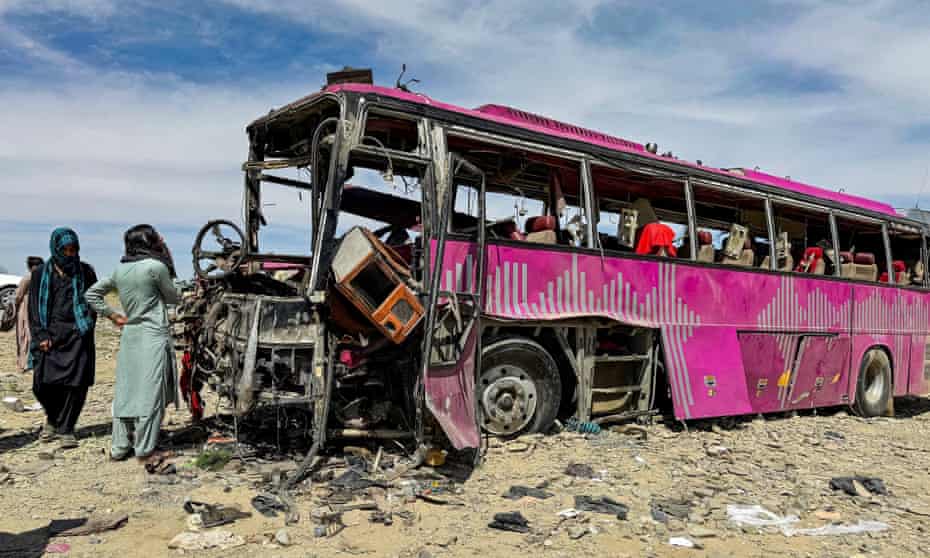
BLA Attacks on Pakistan Escalate Amid Growing Regional Tensions
The Baloch Liberation Army (BLA) has launched a series of coordinated attacks across Pakistan in recent days, marking a significant escalation in militant activity that has sent shockwaves through regional financial markets and diplomatic circles. Multiple assaults have been reported since Wednesday, prompting immediate security reviews and raising concerns about the country's ability to maintain stability during a critical period of economic recovery.
As of this morning, Pakistani authorities have confirmed at least five major incidents attributed to BLA operatives across Balochistan and adjacent provinces. The attacks have targeted both civilian and military infrastructure, intensifying fears about the security environment at a time when Pakistan's economy remains vulnerable to external shocks.
Market Impact and Economic Concerns
The recent surge in militant activity has immediately affected Pakistan's financial markets. The Karachi Stock Exchange (KSE-100) has experienced notable volatility this week, with foreign investors reassessing their exposure to Pakistani equities. Market analysts point to the timing of these attacks as particularly concerning, given that Pakistan has been working to stabilize macroeconomic conditions following its International Monetary Fund (IMF) bailout program.
"Security incidents of this magnitude typically trigger capital outflows and increase risk premiums on Pakistani assets," said Mohammad Hassan, a geopolitical economist based in Islamabad. "We're seeing flight-to-safety behavior, with investors moving toward more stable regional markets."
The Pakistani rupee has weakened slightly against the US dollar this week, reflecting broader concerns about country risk. Foreign direct investment flows, which have been gradually improving, now face renewed uncertainty. Insurance costs for businesses operating in Balochistan have risen noticeably, with some underwriters implementing higher premiums or restricting coverage for certain sectors.
Security Operations and Official Response
Pakistan's military and paramilitary forces have mobilized extensively in response to the attacks. The Inter-Services Public Relations (ISPR) has issued multiple statements this week confirming that security operations are underway across Balochistan. Official sources indicate that intelligence services have been working to identify the networks responsible for coordinating the attacks.
Military operations have been expanded across Balochistan province
Additional security checkpoints have been established on major highways
A curfew was implemented in select areas following Wednesday's incidents
Border security has been reinforced along the Pakistan-Afghanistan frontier
The BLA, a separatist militant organization active since the 2000s, has claimed responsibility for several of this week's attacks through statements distributed to media outlets. The group has historically sought independence for the Baloch people and has periodically escalated operations following perceived grievances or strategic calculations.
Regional Geopolitical Implications
The timing and intensity of these attacks occur amid broader regional instability. Pakistan's relations with Afghanistan have been tense, with Pakistani officials occasionally expressing concerns about militant safe havens across the border. Analysts have noted that some of the operational sophistication demonstrated in this week's attacks suggests potential external coordination or support, though concrete evidence remains limited.
Afghanistan's Taliban government has issued statements denying involvement and pledging to prevent their territory from being used by anti-Pakistan militant groups. However, Pakistan's security establishment has expressed skepticism about such assurances given the fluid nature of militant networks in the region.
China, Pakistan's closest strategic ally and major investor through the China-Pakistan Economic Corridor (CPEC), has indicated concern about the security situation. Chinese nationals and projects operating in Balochistan have historically been targets of militant activity, adding another dimension to current concerns.
Impact on Economic Projects and Infrastructure
The CPEC, valued at approximately $62 billion and representing a cornerstone of Pakistan's development strategy, includes significant infrastructure projects in Balochistan. Security incidents can disrupt construction schedules and increase operational costs through enhanced protection requirements.
"These attacks create a challenging environment for project execution," noted analysts familiar with CPEC operations. "Contractors face pressure to implement additional security measures, which adds to project expenses and potentially extends timelines."
Port operations at Gwadar, the flagship CPEC project, have not been directly impacted by this week's incidents, according to port authorities. However, enhanced security protocols have been implemented, and logistics companies are reviewing operational procedures.
Broader Security Context
The BLA is one of several militant groups operating in Balochistan, a province rich in natural resources but characterized by long-standing separatist movements and tribal tensions. The group has periodically intensified operations, typically in response to military campaigns or as part of strategic pressure campaigns against the state.
This week's escalation represents one of the most significant waves of coordinated attacks in recent months. Security analysts have attributed previous cycles of violence to a combination of ideological motivation, resource competition, and strategic calculation by militant leadership regarding when military pressure can be withstood.
Investor Sentiment and Long-Term Implications
International credit rating agencies have noted that security deterioration could negatively impact Pakistan's sovereign ratings. Pakistan's credit spreads on international debt have widened slightly this week, reflecting renewed risk perception among global investors.
For domestic investors, the situation has created a flight toward safer assets. Real estate in major urban centers has seen increased inquiries, while investors have reduced exposure to stocks of companies with significant Balochistan operations.
Government and Military Statements
Pakistan's Interior Ministry has issued statements emphasizing that security forces have the situation under control and that operations to neutralize militant cells are ongoing. Military officials have indicated that enhanced intelligence operations will continue and that security in civilian areas will be reinforced.
"The security establishment is committed to eliminating the threat posed by terrorist organizations and maintaining order," stated an official government statement released this morning.
Looking Ahead
In the coming weeks, the trajectory of this crisis will likely be shaped by several factors: the success of military operations in degrading BLA capabilities, the pace of attack resolution, and whether militants conduct follow-up strikes. A sustained escalation could significantly impact investor confidence and slow Pakistan's economic recovery momentum.
However, analysts note that Pakistan has experienced similar cycles of violence in the past and that security forces have demonstrated capability in containing such situations. The key question for markets and the international community involves whether this week's escalation represents a temporary spike or a structural deterioration in the security environment.
Development partners and international financial institutions are reportedly monitoring the situation closely. Any significant deterioration could prompt reviews of project timelines and investment strategies in the region.